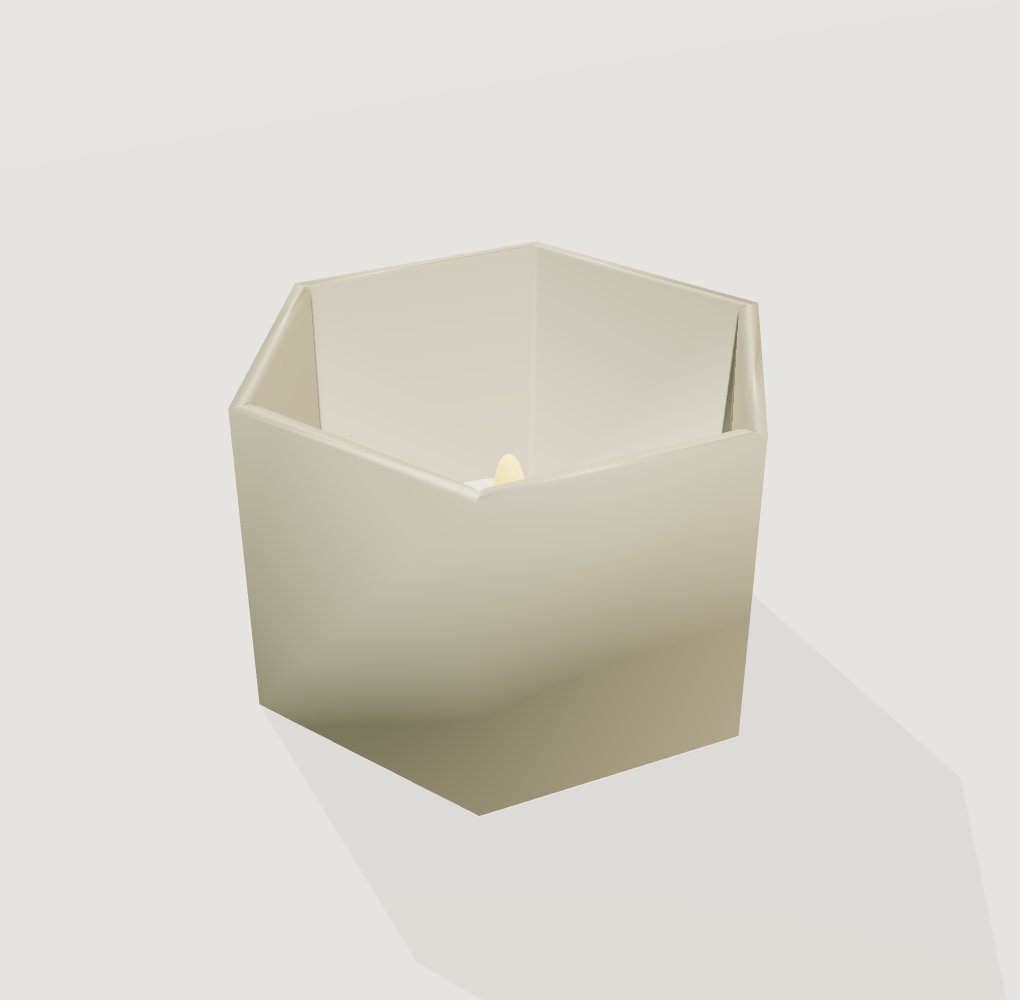
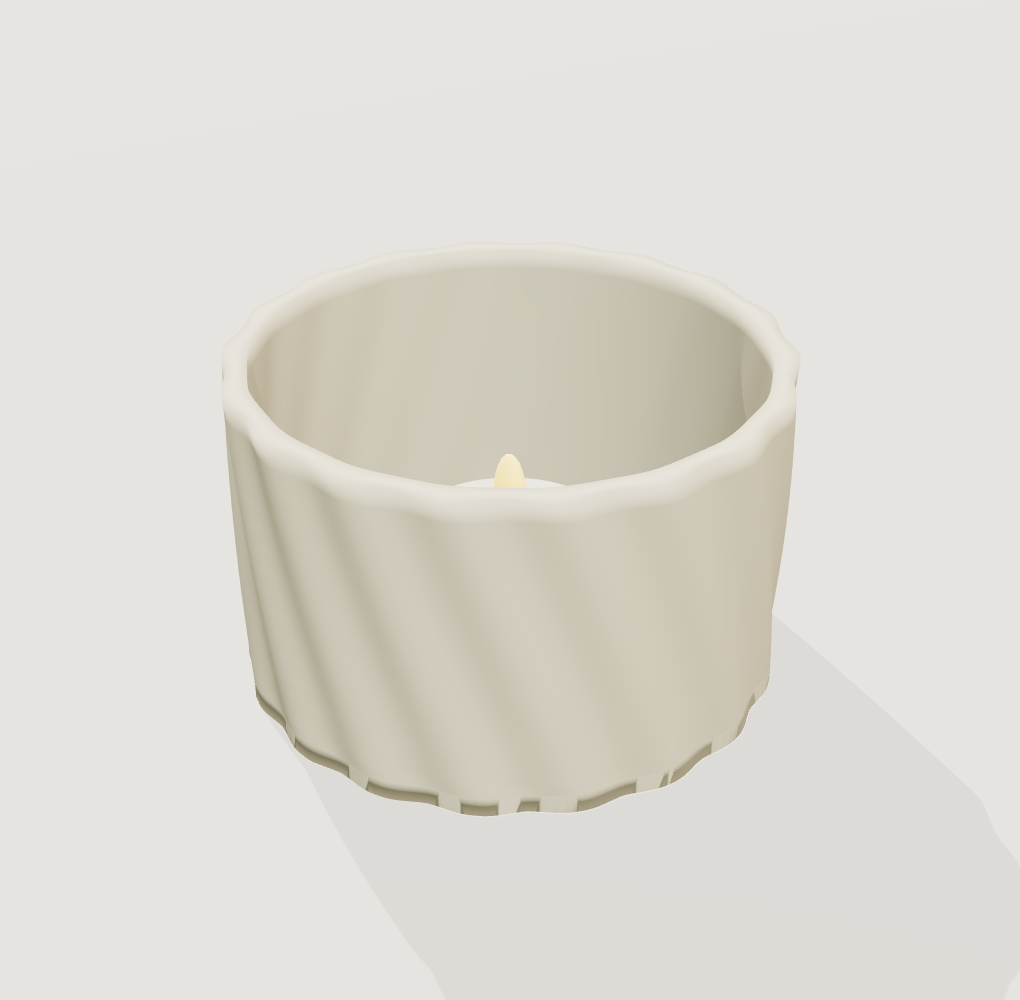
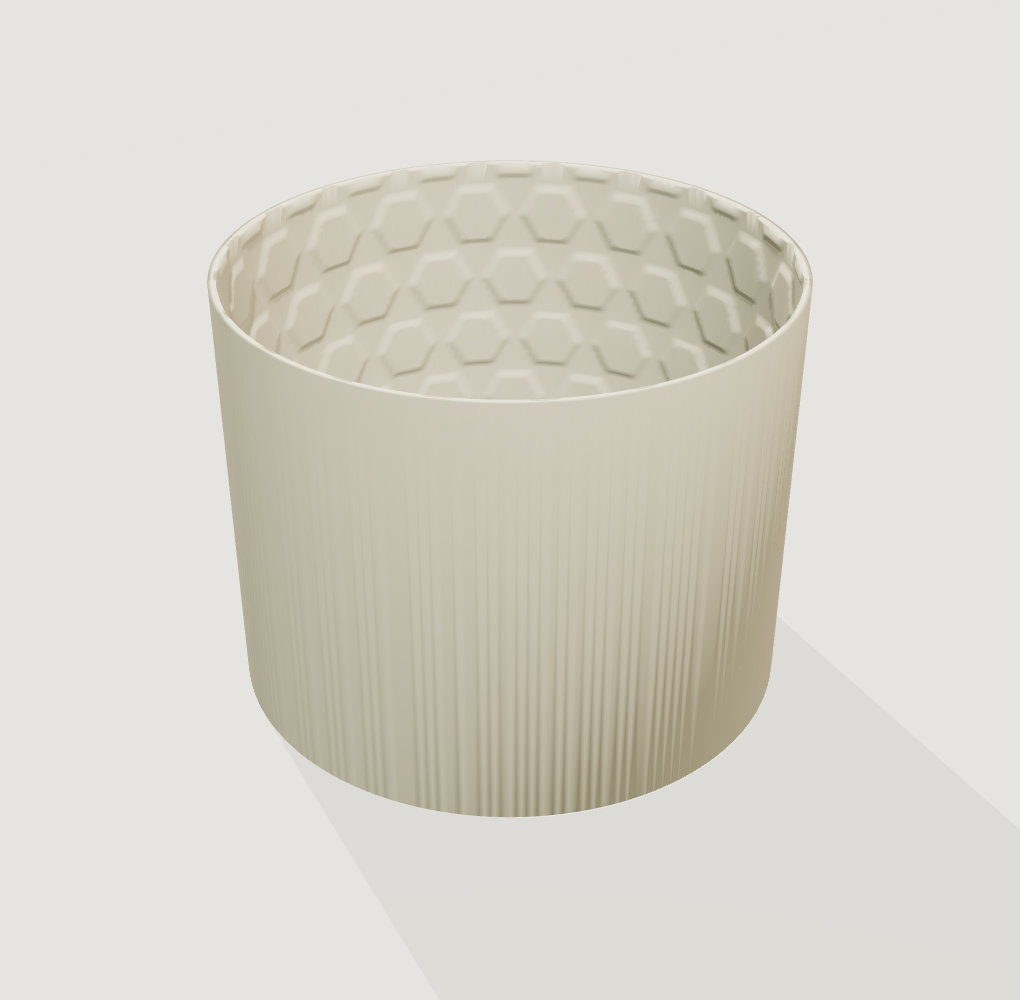
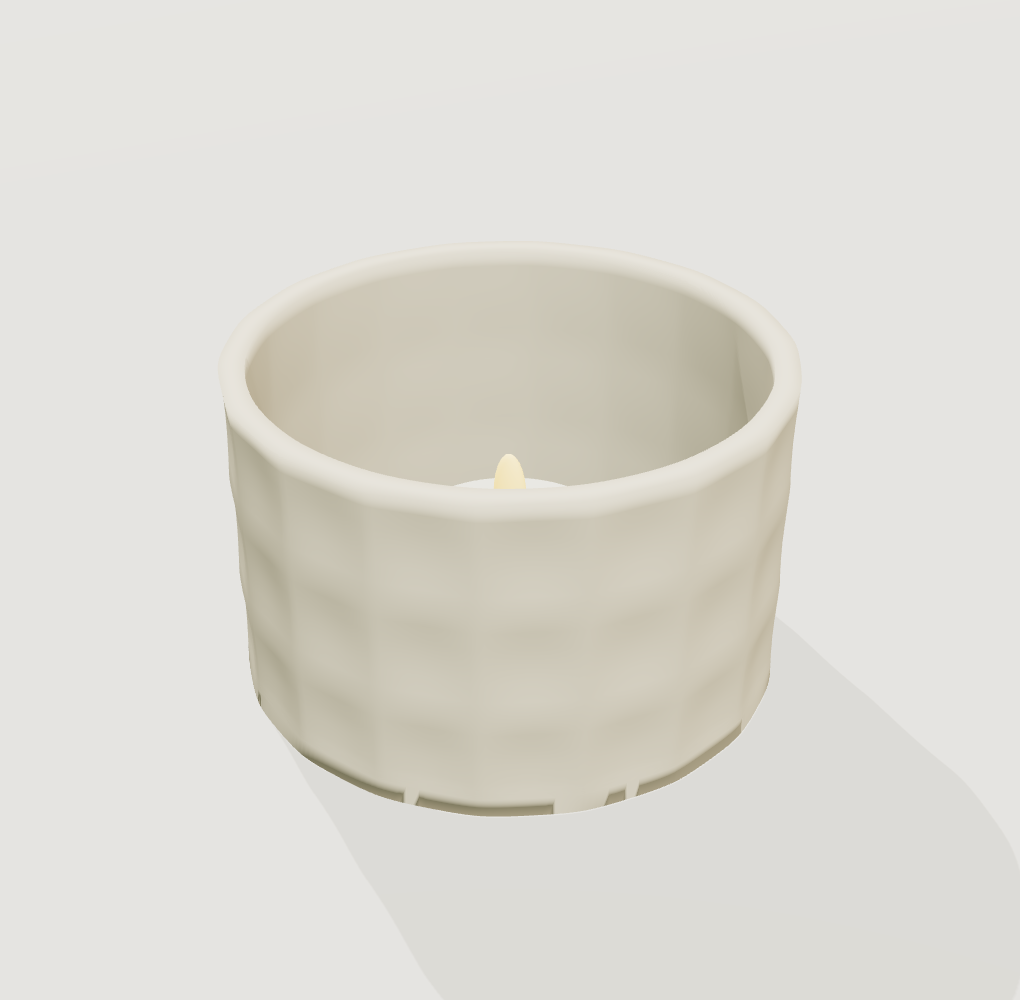
Room by room

Decorative wall panels and screens

Decorative pieces that work with the light falling on them: a wall of folded tiles, a screen that throws its pattern across the plaster.

On the wall

Relief tiles and panels that key into each other. Anything fixed to a vertical surface.

  • One tileA single 300 mm module, face on.
  • A wall of themFour tiles keyed together, so the wall reads as one surface.
  • The foldRaking light across the fold, with the layer grain running into it.
  • The keyed edgeThe edge profile that keys into its neighbour, with the fixing hidden behind it.

Fold Panel 300

LT-SD-300

Price on request

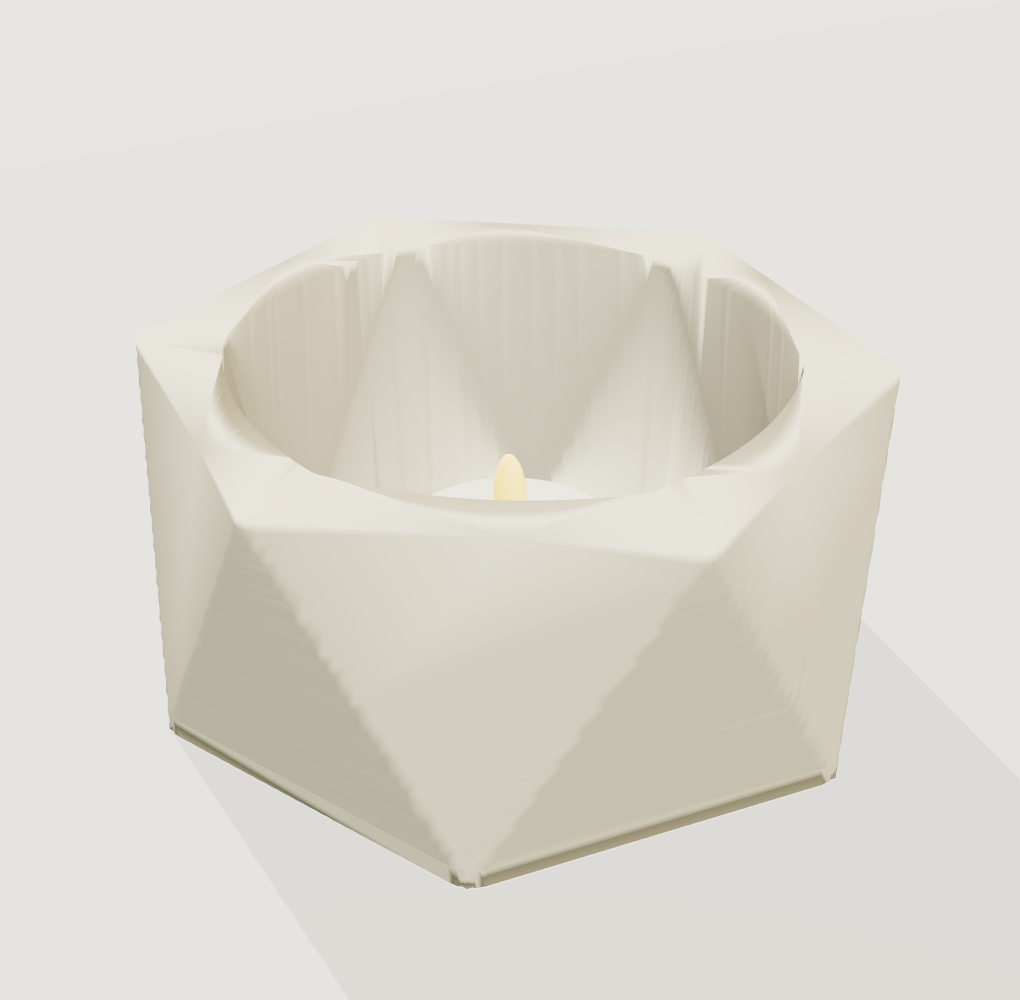
A 300 mm wall tile with a folded relief across its face, drawn so that the fold runs at right angles to the layer line and the two textures do not fight. It keys into the next tile on all four edges, so a wall of them reads as one surface rather than as a grid of squares. Two screws or four adhesive pads per tile, and the fixing points are inside the relief where they do not show.

Code
LT-SD-300
Size
300 by 300 mm, 28 mm proud of the wall
Wall
2.1 mm nominal
Material
Recycled PETG, printed; Stainless steel washers, bought in, 2 per tile
It takes
Two screws at 240 mm centres or four adhesive pads. Tiles key into each other on all four edges.
Colour
pale sand by default, or unpigmented natural, warm white, slate grey, deep clay
Weight
340 g, the printed part alone
Made to order
The module size, 200 to 300 mm. Relief depth, wall section, the keyed edge profile and the screw centres ratio stay as drawn. 300 mm is the build envelope and therefore the hard ceiling; a 200 mm module is the other end, and below that the fold gets too fine to read from across a room. Every tile in one order is the same module, because two modules will not key into each other.
Lead time
5 to 9 days, printed after it is ordered
Printed
0.2 mm layers, 4 perimeters, flat, relief up, about 11 hours on the machine
Why this shapeThe fold exists because a flat printed panel shows its layer line as a defect and a folded one shows it as a grain: raking light across a fold reads as a shadow, and the layer texture walks into it. The keyed edge exists because a 300 mm build envelope means a large wall has to be made of small pieces, and the honest response to that is to make the module the design rather than to hide the joints.
Review and request

Request Fold Panel 300 · LT-SD-300. We confirm the size, colour, price and timing before printing.
Your request

Continue on Instagram

On the shelf

Freestanding pieces that are placed rather than fixed: screens, sculptural forms, objects that are aimed at a wall.

  • The screenThe perforated field face on, unlit, on one ground.
  • The patternA lamp behind it and the pattern climbing the wall in a dark room.
  • The perforationThe 6 mm field close up, where it opens out towards the top.
  • On a sill260 mm tall on a windowsill, throwing an afternoon pattern into the room.

Shadow Screen 260

LT-SD-260

Price on request

A freestanding perforated screen that stands between a lamp and a wall, or on a windowsill in the afternoon, and throws its pattern across the plaster. The perforation is drawn as a field that opens towards the top, so the pattern spreads as it climbs. It leans back on a shallow foot and moves with one hand, which is the point: the pattern is aimed by walking it around the room.

Code
LT-SD-260
Size
180 mm wide, 260 mm tall, leaning on a 48 mm foot
Wall
2.0 mm nominal
Material
Recycled PETG, printed; Self-adhesive silicone foot strip, bought in
It takes
214 perforations at 6 mm, 18 percent open area, on a foot that leans it back. Nothing to fix and nothing to fit: it stands where you put it.
Colour
deep clay by default, or unpigmented natural, warm white, pale sand, slate grey
Weight
395 g, the printed part alone
Made to order
The height, 180 to 300 mm. Width scales with the height at a fixed 7:10 ratio. Wall section, the perforation diameter, the open area and the foot angle stay as drawn. 300 mm is the top of the range, because it is the build envelope and one seamless screen with no joint is the point of it.
Lead time
6 to 10 days, printed after it is ordered
Printed
0.2 mm layers, 4 perimeters, upright on its back edge, perforations horizontal so none of them needs support, about 9 hours on the machine
Why this shapeThe pattern is the product here more plainly than anywhere else in the catalogue, so the object is drawn to be aimed. It leans rather than stands upright because a vertical screen throws its pattern at the skirting board and a leaning one throws it up the wall, where you can see it from a chair. The perforation field opens towards the top for the same reason: the pattern spreads as it climbs, which is what the eye follows.
Review and request

Request Shadow Screen 260 · LT-SD-260. We confirm the size, colour, price and timing before printing.
Your request

Continue on Instagram

LED candle holders

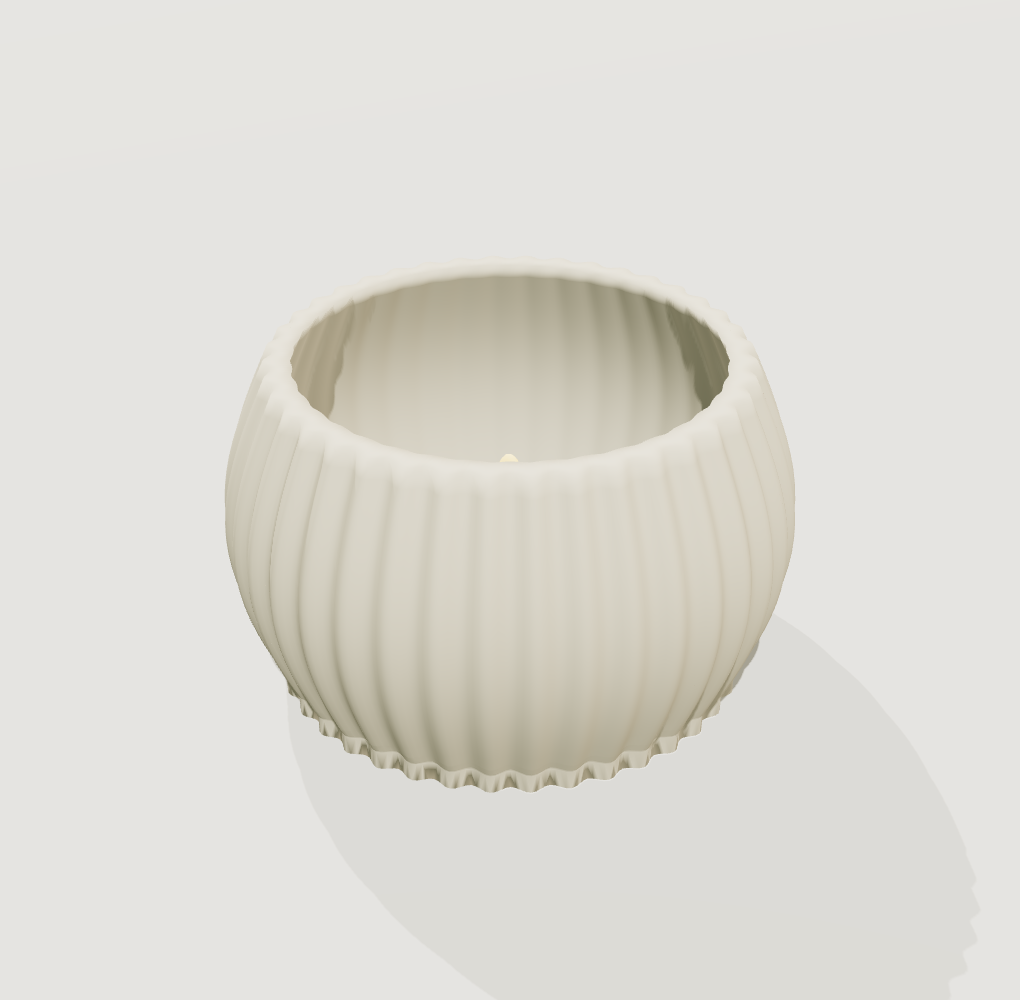
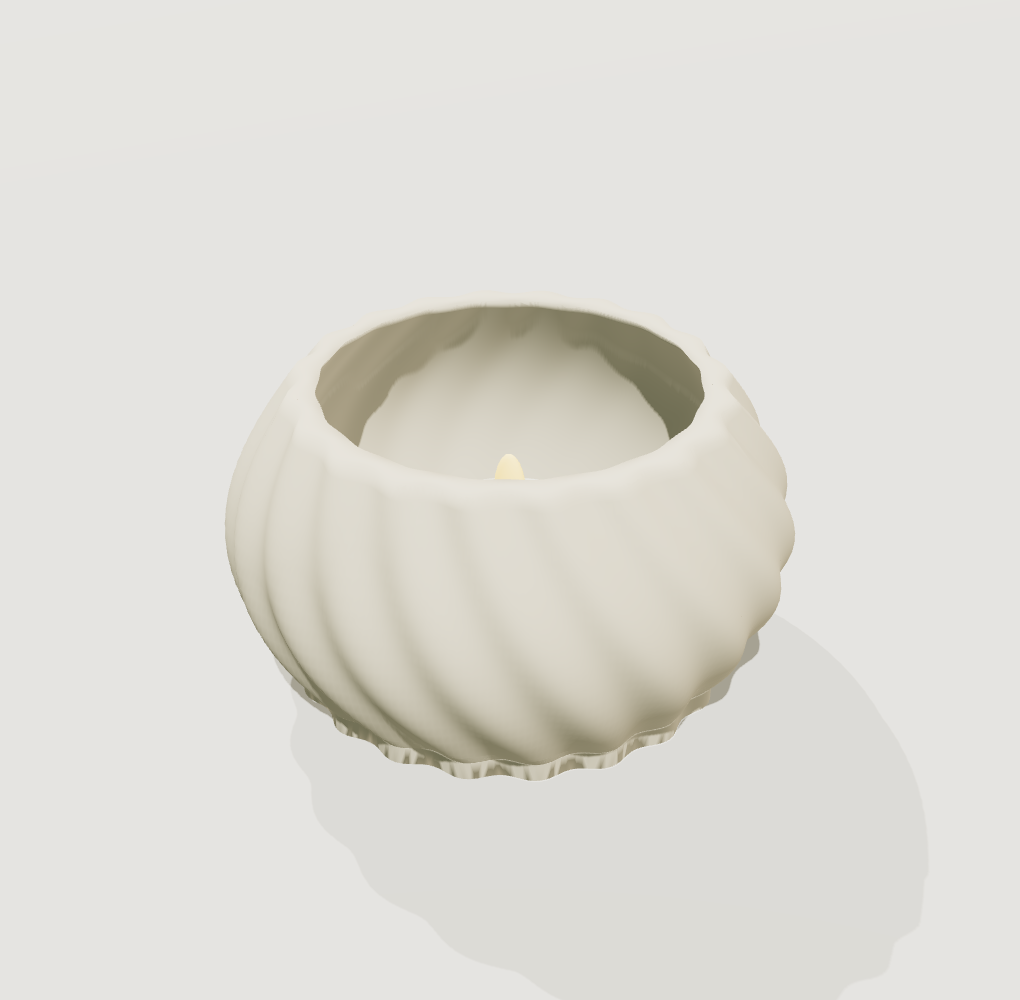
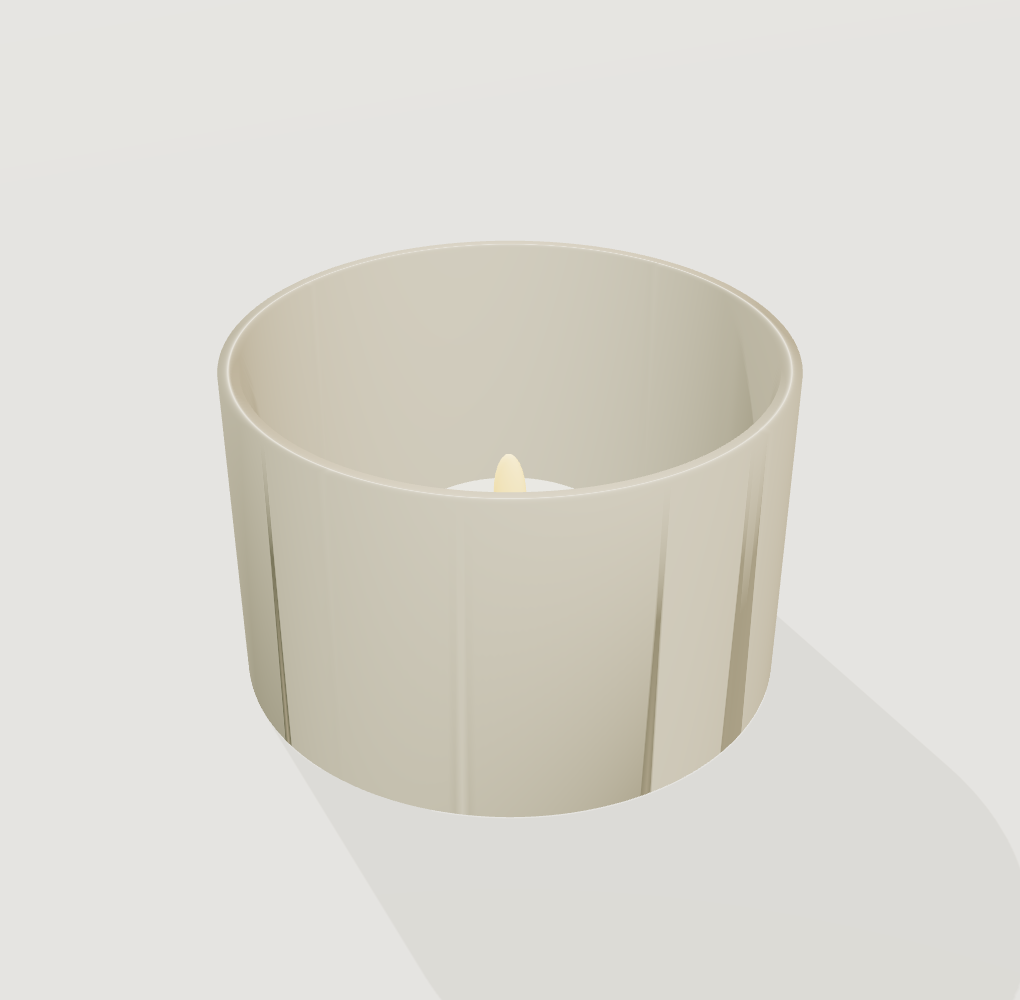
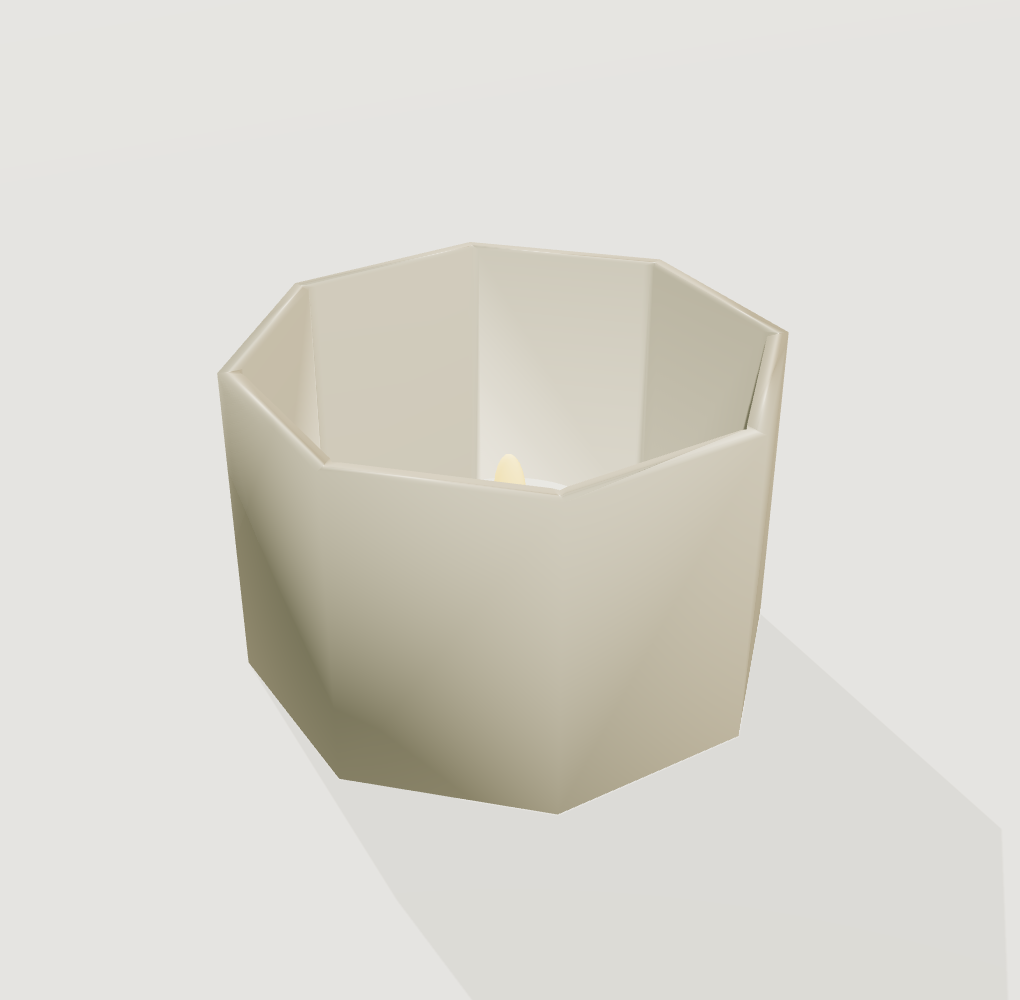
Small freestanding forms for a removable battery LED tealight.

Where it goes

Two shelves, split by where the piece meets the room.

On the wall
Relief tiles that key into each other, so a wall of them reads as one surface. Two screws or four pads a tile, and the fixings sit inside the relief.
On the shelf
Freestanding pieces that are placed rather than fixed, and aimed: a screen is walked around the room until the pattern lands where you want it.
Colours
The full range here, including the dark ones. These are solid pieces read by the light falling on them rather than the light coming through them, and a dark screen throws the cleanest pattern.
Sizes
The module size on a tile, the height on a screen. Keep one order to one module so every tile keys into its neighbour.

Onward

The rest of the catalogue.